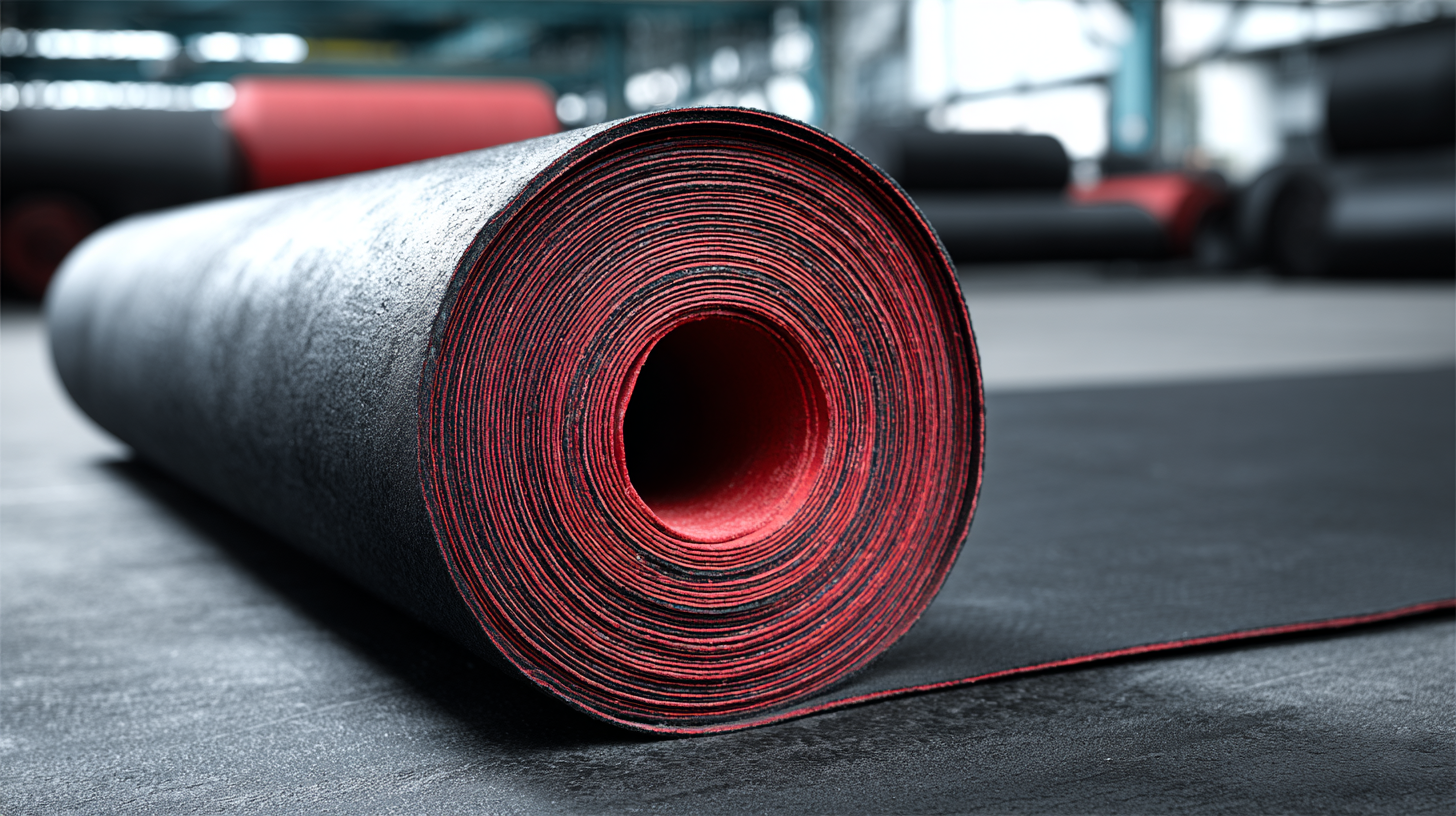
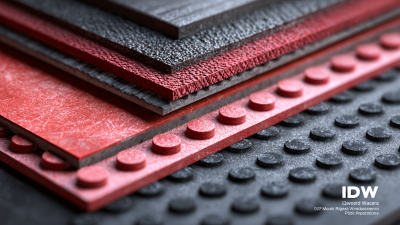
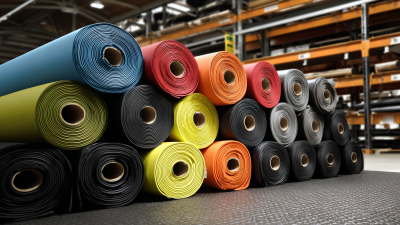
In today’s ever-changing world of industrial applications, choosing the right materials is more important than ever. They’ve gotta prioritize safety, performance, and, of course, how everything looks. One material that really stands out because of its versatility and usefulness is the Rubber Mat. As industries push for safer, more efficient workplaces, it’s pretty clear that picking the right Rubber Mat is a big deal. At Sanhe Do It The Way Sporting Industrial Co., Ltd., we’re all about developing innovative, high-performance training spaces. Our FITFLOR brand serves a wide range of clients — from sports venues and physical training centers to gyms and fitness clubs. By highlighting the benefits of high-quality Rubber Mats, we’re hoping to help businesses make smarter choices that boost safety and make operations run more smoothly.
Understanding Different Types of Rubber Mats for Industrial Use
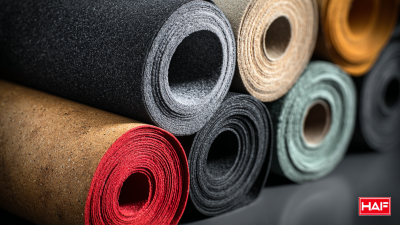
Picking out the right rubber mats for industrial use isn't just about size or price — understanding the different types out there really makes all the difference. Did you know the global market for Rubber Floor Mats is expected to hit over $2.9 billion? That growth is partly because workplaces are tightening safety regulations and there’s a big push for more ergonomic setups. 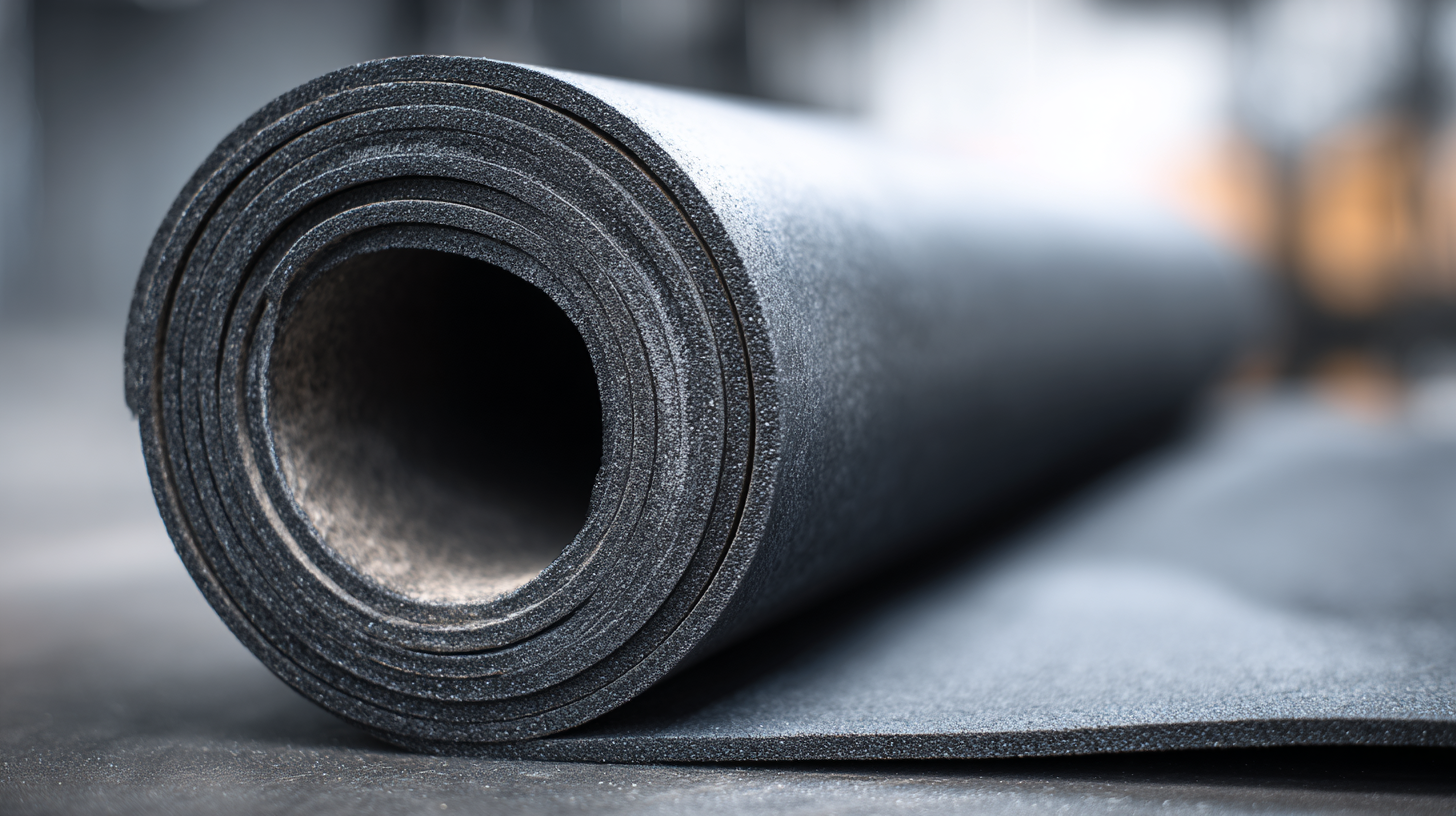 Natural rubber mats, for example, are fantastic if you need something that grips well and lasts long — perfect for busy, high-traffic areas where safety comes first. On the flip side, synthetic rubber mats are becoming pretty popular, especially since they’re versatile and resistant to chemicals — a real lifesaver in many industrial environments.
As industries grow and change, the choices for rubber mats are also evolving, matching wider market trends. The global industrial flooring market is forecasted to grow around 5.4% annually from 2022 to 2031, thanks a lot to sectors like food and beverage demanding more specialized floors. You’ll notice a bunch of different mats now designed for specific needs — like anti-static mats for electronics manufacturing, or cushioned options to keep warehouse workers comfortable.
Making the right call on which rubber mat to go for can do a lot — it’s not just about bumping up safety, but also boosting comfort and overall productivity on the job.
Key Features to Consider When Selecting a Rubber Mat
So, when you're picking out a rubber mat for industrial use, there are a few key things you really want to keep in mind to make sure it does the job right and keeps everyone safe. First up, the thickness of the mat really matters — thicker mats tend to last longer and give better cushioning. I read somewhere that the Rubber Manufacturers Association suggests going for mats that are at least 3/8 inch thick if they're in busy, high-traffic spots. They do a pretty good job at absorbing shocks and helping workers who are on their feet all day not get as tired.
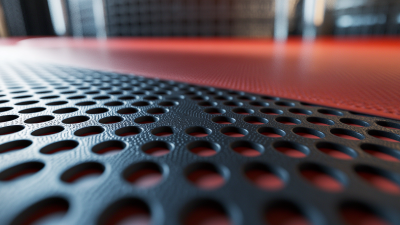
Another thing you don’t want to overlook is the surface texture. A textured surface can make a big difference in traction and help prevent slips and falls. OSHA even points out that choosing mats with a textured finish can cut down slip incidents by almost 25%. And if you're dealing with spills or messy environments, make sure the mats are made from good, oil-resistant rubber — those can catch drips and last longer without falling apart. Honestly, picking the right rubber mat is super important in industrial settings. It’s not just about safety, but it also helps folks work more efficiently and keeps maintenance from turning into a headache.
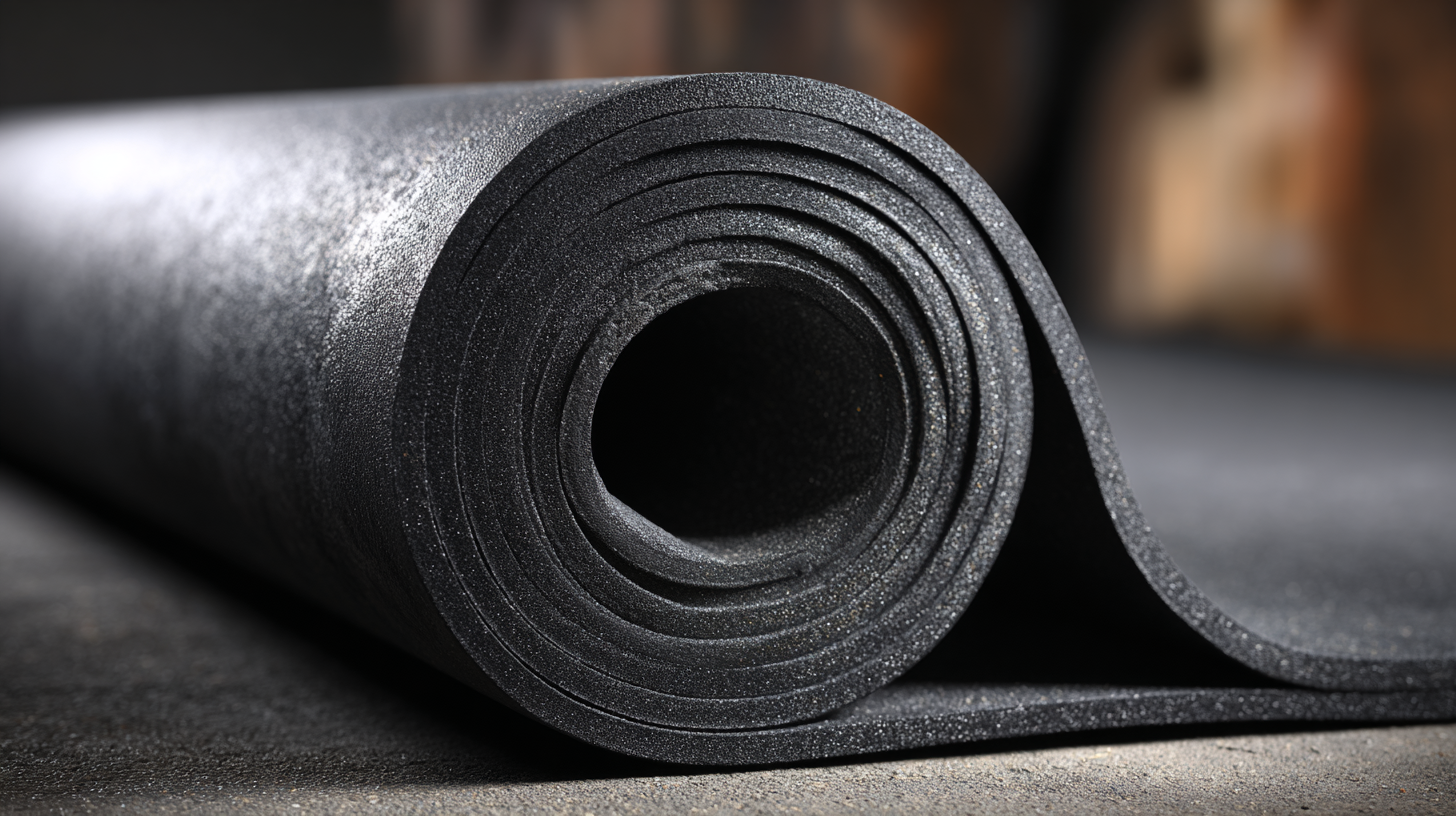
Common Issues Faced with Low-Quality Rubber Mats
Low-quality rubber mats might seem like a budget-friendly choice for industrial settings, but in reality, they can cause serious issues that affect both safety and efficiency. I came across a report from OSHA that said nearly 30% of workplace injuries are slips, trips, and falls — and honestly, using cheap mats definitely ramps up the risk of these accidents. That’s mainly because they often don’t give enough grip or cushioning to keep workers safe.
Another thing to keep in mind is how quickly these low-grade mats tend to wear out. There was a study in the Journal of Applied Polymer Science that pointed out how inferior materials can break down pretty fast, especially in environments with chemicals, high heat, or constant traffic. Replacing them regularly can get expensive, and worse, can create potential safety hazards. So, investing in good-quality rubber mats isn’t just about safety — it’s also about making your flooring last longer and saving money in the long run.
**Pro tip:** When you’re picking out mats, opt for ones that meet industry standards like ASTM and ISO. They’re more reliable and safer.
**Another tip:** Think about the specific environment you’re working in — whether you need anti-fatigue mats for standing desks or chemical-resistant ones for manufacturing areas — choosing the right kind really boosts both comfort and safety.
How the Right Rubber Mat Enhances Workplace Safety
When you're working in industrial settings, safety is obviously a big deal. Picking the right rubber mat can make a real difference in keeping everyone safe. These mats are great because they grip the floor really well, helping to cut down on slips and falls—one of the top causes of injuries at work. Did you know that nearly a quarter of all workplace injuries are due to slips and falls? That’s pretty eye-opening and just goes to show how important good flooring is. A quality rubber mat can seriously lower that risk and help create a safer environment for everyone.
**Pro tip:** When you're shopping for rubber mats, go for ones with textured surfaces. They give extra grip, especially in spots where spills or moisture are common.
Plus, rubber mats aren’t just about preventing slips; they also offer some cushioning, which is a total lifesaver for folks who spend long hours on their feet. The Bureau of Labor Statistics points out that fatigue can lead to lower productivity and more accidents. So, using supportive, cushioned mats can really make a difference in how comfortable and safe your team feels at work.
**Another tip:** Think about choosing thicker rubber mats—more padding means better comfort, especially during those long shifts.
Long story short, the right rubber mat isn’t just about grip and stability—it’s also about helping your team stay healthy and alert. By investing in good quality mats, you’re creating a safer, more comfortable space for everyone to work in.
Impact of Using Rubber Mats on Workplace Safety
Maintenance Tips for Prolonging the Life of Rubber Mats
When you're dealing with industrial setups, picking the right rubber mat can really make a difference in keeping the workplace safe and running smoothly. But honestly, just choosing the right mat isn’t the whole story—taking good care of it is key to making it last longer and getting your money’s worth. I saw a report from the Rubber Manufacturer's Association that said well-maintained mats can last up to twice as long as neglected ones. That just goes to show how important proper maintenance is!
To keep your rubber mats in good shape, regular cleaning is a must. Stick with mild cleaners—no harsh chemicals—that could harm the material. Also, it’s a good idea to check them out every few months for any signs of wear and tear. Catching issues early means you won’t have to replace them sooner than you should, saving you some cash in the long run.
Another thing to keep in mind is where you place these mats. Areas with a lot of foot traffic need something tougher that can handle the constant use. The National Safety Council also recommends using mats that are slip-resistant—they really help prevent accidents. Rotating mats around different spots can help spread out the wear and tear evenly, too. If you follow these simple tips, your rubber mats will serve you well for ages, all while helping you keep the workplace safer and more efficient.
Cost-Benefit Analysis of Investing in Quality Rubber Mats
When you're dealing with industrial setups, choosing the right rubber mats really makes a difference when it comes to keeping things safe and running smoothly. I mean, investing in top-quality mats might seem a bit pricey upfront, but honestly, in the long run, they tend to save you a lot of headaches (and money). Durable mats that can handle heavy machinery not only last longer but also help prevent slips and falls, which could save your business from potential legal issues down the line.
When you're picking out a rubber mat, it’s a good idea to think about your specific work environment. What kind of equipment are you dealing with? Do you need mats that stand up to chemicals or high temperatures? If your team spends long hours standing, look for mats with anti-fatigue features—that can really make a difference for your staff.
Another thing to keep in mind is how easy the mats are to clean and maintain. High-quality rubber mats are usually pretty straightforward to keep looking good—they resist stains and wear, making your workspace healthier overall. And don’t forget to check if they come with a warranty; it’s a good sign that the manufacturer stands behind their product and that your investment is protected for the long haul.
Transform Your Workout Space: Insights from Leading Industry Reports on the Benefits of Rubber Flooring for Gyms
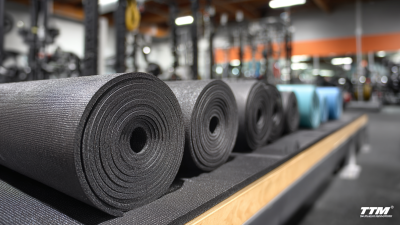
Creating an optimal workout environment is key to achieving fitness goals, and one impactful change you can make is investing in Rubber Flooring for your gym. As highlighted in recent industry reports, rubber flooring not only enhances the aesthetic appeal of your workout space but also significantly improves its functionality. This versatile material excels in providing cushioning, noise reduction, and durability, making it an ideal choice for gyms that cater to diverse workout routines.
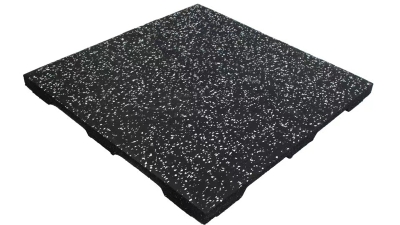
One standout product is the Rubber Tile-Pro Style, specifically engineered for free weight zones. This flooring features a robust surface layer made from a 1.8mm SBR roll material that is molded using advanced HT&HP technology. With its exceptional shock absorption capabilities and noise reduction features, it is designed to withstand heavy weights and repeated high-impact forces. The strong support strength and friction properties of the Pro Style make it a reliable choice for gym environments where safety and performance are paramount.
By transforming your workout space with high-quality rubber flooring, you can create an inviting and efficient gym atmosphere. With the Rubber Tile-Pro Style, you will not only protect your floors but also enhance the overall experience for gym-goers, allowing them to focus on their fitness journeys with confidence and comfort. Whether you are setting up a personal home gym or a commercial facility, choosing the right flooring is an investment in both performance and enjoyment.
FAQS
: When selecting rubber mats, consider the type of environment, workplace safety regulations, the need for traction and cushioning, and whether the mats meet industry standards such as ASTM and ISO ratings.
Natural rubber mats offer superior grip and durability, making them ideal for high-traffic areas, while synthetic rubber mats are versatile and resistant to chemicals, suitable for various industrial settings.
Low-quality rubber mats can increase the risk of slips, trips, and falls due to inadequate traction and cushioning. They also tend to degrade quickly in harsh environments, leading to potential safety hazards and costly replacements.
Rubber mats provide excellent slip resistance and cushioning, which reduces the likelihood of falls and alleviates fatigue among employees who stand for long periods, thereby creating a safer working environment.
Look for rubber mats with textured surfaces, as they provide additional grip and help prevent slips, especially in areas prone to spills or moisture.
Rubber mats with proper cushioning reduce fatigue in employees who stand for long periods, leading to improved comfort, increased productivity, and a healthier workplace.
The global rubber floor mats market is expected to exceed $2.9 billion, with a growth rate of 5.4% from 2022 to 2031, driven by demands in various sectors, including food and beverage.
Choose high-quality rubber mats designed for specific environments, as they will better withstand exposure to chemicals, high temperatures, and heavy foot traffic, ensuring longevity and safety.
High-quality rubber mats reduce injury risks and enhance durability, minimizing the need for frequent replacements and associated costs, thus providing long-term savings.
Conclusion
Picking the right rubber mat for industrial settings really matters when it comes to keeping everyone safe and boosting overall performance. In this post, we’ll take a look at different types of rubber mats that are designed for industrial use. I’ll point out what features you should keep in mind to make the best choice. We’ll also chat about common problems that come up with cheaper, lower-quality mats—because honestly, investing in sturdy, high-quality options is worth it. Not only do they meet safety standards, but they also save you money in the long run. Plus, I’ve got some handy maintenance tips to help your rubber mats last longer and stay safe and effective, even in rough environments.
At Sanhe Do It The Way Sporting Industrial Co., Ltd., we get it—having the right rubber mat can make a huge difference in creating a safe, productive training space. Our focus on innovative, good-looking solutions lines up perfectly with what clients in sports venues and gyms need. So, choosing a quality rubber mat isn’t just a detail—it’s a key part of setting up the perfect environment for training and performance.